
Historical introduction
Why the northern coast relied on lighthouse towers
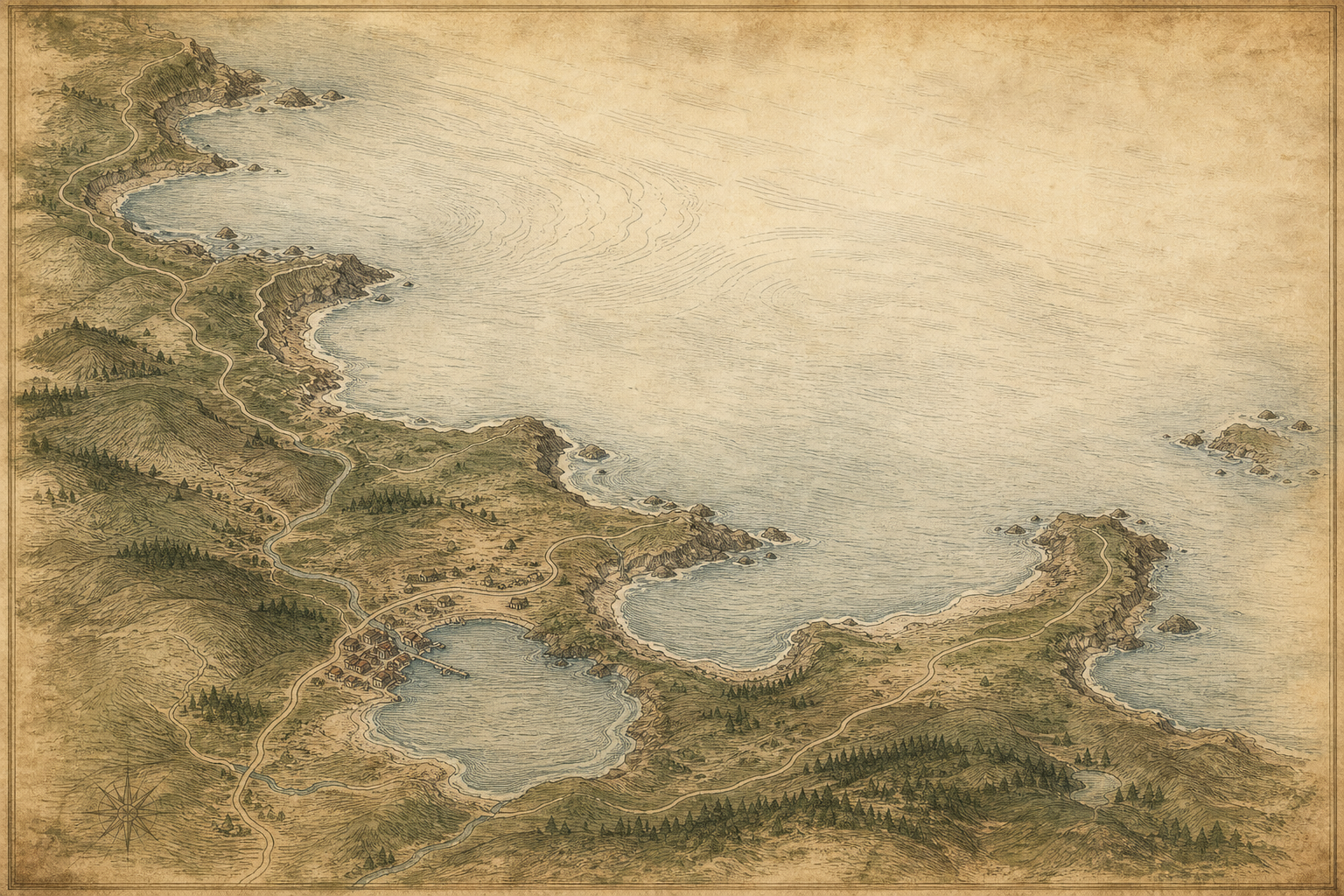
Along fog-prone headlands and narrow inlets, lighthouse beams translated weather, rock, and distance into signals mariners could trust.
Hazard routes and trade lanes
Reefs, shifting shoals, and sudden squalls made the northern approach one of the coast's most dangerous passages. Light patterns and fog signals marked safer channels, protecting timber, fish, and grain traffic that connected remote harbors to regional markets.
Settlement, rescue, and memory
Towers became fixed points for shoreline settlement, watchkeeping, and emergency response during wreck seasons. Keeper logs, family accounts, and community commemorations preserved these lights as civic landmarks long after automation changed daily operations.